
In many ways, the Covid-19 pandemic has pushed us all to do better and be better. MD West ONE Orthopedic & Spine Urgent Care Center at Methodist Physicians Clinic HealthWest was established in 2020 out of necessity to reduce exposure of non-infected patients to Covid-19 in Nebraska's emergency rooms. Our orthopedic urgent care walk-in clinic became one of a kind as it provides full-service orthopedic care at a convenient location (160th & Dodge). We can give the Nebraskans timely, high-quality care while reducing costs associated with hospital emergency room visits. At the same time, our primary care and specialist doctors can ensure immediate continuity of care with same-day patient access to proper treatment of orthopedic conditions and injuries.
When to visit the Orthopedic Urgent Care? Most orthopedic injuries, including hand, wrist, elbow, and shoulder, are not life-threatening and can be safely treated by expert care at MD West ONE Orthopedic & Spine Urgent Care Center. These include:
If, during an office visit with your primary care physician, he suspects an orthopedic condition or an orthopedic injury, he can call us directly with any questions regarding your symptoms. We can take care of you immediately in our walk-in orthopedic urgent care center or make an appointment for you with one of our orthopedic providers. Our goal is to give you the best medical care, experience and help reduce your discomfort as quickly as possible. When to visit the Emergency Room for Orthopedic Injuries and Conditions? Emergency rooms prioritize patients based on life-threatening injuries, which is the main reason for the long wait times. Think of a construction worker falling from a scaffold and breaking a hand. While a broken hand is not necessarily a life-threatening injury, a traumatic injury to the head and internal organs is life-threatening. It is common for an elderly patient with a broken hip to be initially evaluated in the emergency room for the same reasons. There are several orthopedic emergencies, which need immediate surgery and warrant a visit to the emergency room. They are: 1. Exposed or open fractures or joints - you can see the broken bone or a joint. 2. Numbness or tingling with skin color changes after injury 3. Acute compartment syndrome - increased pressure within the muscles causing severe pain, which can occur after a fracture, muscle bruising, crush injuries, and anabolic steroid use. 4. Joint infection - severe pain and swelling of a joint accompanied by fever and chills. If you have any questions or need guidance on what to do, please don't hesitate to call MD West ONE Orthopedic Urgent Care Center at (402) 390-4110. We are here for you and will help you in any way possible. 3/22/2021 Thumb Pain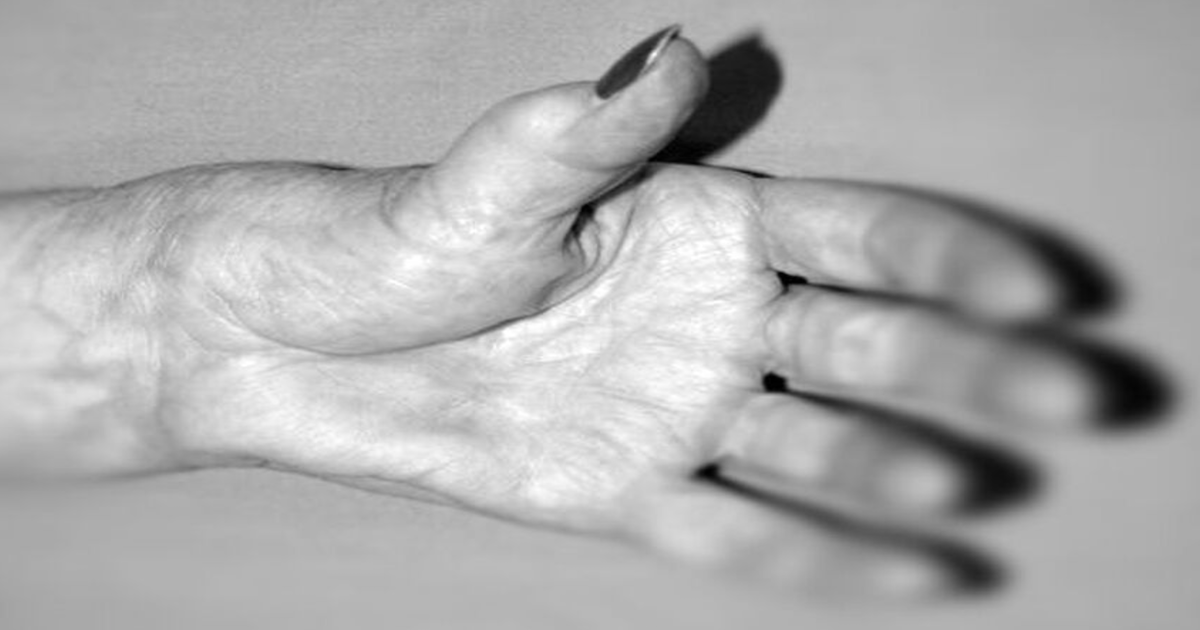
Thumb is the most important digit on your hand. Without it, holding a cup of coffee, tools, or utensils becomes almost impossible. Its opposable function allows us to grasp and manipulate small objects like a needle and thread with precision.
Dull and achy pain at the base of the thumb with decreased range of motion are symptoms of thumb basal joint arthritis. This joint is also known as the carpometacarpal (CMC) joint. It is a saddle-shaped joint formed by the metacarpal and trapezium bones, which allows the thumb to move up, down, across the palm and gives it the ability to pinch. Basal thumb arthritis is aggravated by movements such as opening jars, turning door knobs or keys, and holding a pen. Basal joint arthritis is a common type of degenerative arthritis and one of the most frequently seen orthopedic conditions in females 40 years of age and older. With time and age, the smooth cartilage covering the end of the basal joint wears out, resulting in direct contact between the bones, degenerative disease, and basal thumb arthritis symptoms. Most individuals can tolerate mild discomfort from joint arthritis. However, if you have thumb pain due to basal thumb arthritis at rest or at night, it is time to receive an examination by a hand surgeon. He can potentially help you prevent mal-alignment of the basal joint and thumb collapsing into the palm (see picture courtesy of Dr. Noel Henley). In order to slow down the progressive cartilage destruction associated with basal thumb arthritis, non-surgical treatment options such as rest, non-steroidal anti-inflammatory medication, splinting, therapy, cortisone injection, and activity modifications can provide you with significant pain relief. On the other hand, surgical option for basal thumb arthritis is reserved for those with severe conditions who did not receive pain relief with conservative measures. In any case, the thumb carpometacarpal joint or thumb basal joint examination is the first step in obtaining pain relief from basal thumb arthritis, regaining hand function, and getting back to daily activities. Life is too short to spend it in severe pain. Don't lose sleep over this type of arthritis, which is treatable. Let me or my hand surgery partners at MDWestONE help you. Call us today at (402) 390-4111 for a same-day appointment. 
Almost 50% of Americans avoid health care providers and delay in-person office visits due to the COVID-19 pandemic. Health systems and hospitals are bracing for a surge of patients with chronic conditions who have postponed evaluation, treatment, and elective procedures. The influx of patients as a result of pandemic-induced medical care avoidance may create delays in scheduling. Consider scheduling an appointment with MD West ONE orthopedic and neurosurgery teams as soon as possible if you are experiencing:
The majority of households with adults who have postponed elective surgeries due to coronavirus pandemic have experienced a lower quality of life, higher anxiety levels, and worsening mental health. Worsening symptoms can progress to permanent and irreversible damage and negative health consequences on overall healing and recovery. More complex treatment plans may result in significantly higher costs than the initial non-surgical, or surgical treatments would have been. You can avoid expensive emergency room visits and procedures with timely evaluation, treatment, and therapy. You can also avoid additional expenses by moving forward with elective surgery before symptoms worsen. At MD West ONE, we have all the necessary safety measures to make sure you are comfortable and secure. These include and are not limited to coronavirus health screenings, regular sanitizing, providing personal protective equipment to patients and employees, and practicing social distancing. We can provide care without delay and see patients quickly. We can also take care of orthopedic emergencies through our walk-in Urgent Care, which allows you to avoid emergency departments. If you require orthopedic or neurosurgical spine evaluation and treatment, don't let the COVID-19 pandemic stop you from seeking care. Take charge of your health by scheduling your virtual or in-person appointment today at (402) 390-4111 or contact us for more information. We got you! 3/7/2020 Knuckle Cracking 101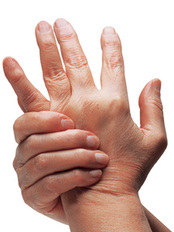 The human body is capable of producing a whole array of peculiar noises. Think about your most recent knuckle cracking experience - you manipulate your finger, hear a pop, and enjoy the feeling of relief. That popping sound you heard was your joint passing gas! Knuckles produce that cracking sound when gas bubbles inside the joint burst.
Joints are covered by a layer of tissue called the joint capsule. The joint space (area within the joint capsule) contains synovial fluid, which lubricates the joint and provides nutrients for the adjacent bone surfaces. The synovial fluid contains dissolved gases. When you stretch or bend your fingers to crack your knuckle, the bones of the joint pull apart and stretch the joint capsule. When the joint capsule is stretched, the volume inside the joint space is increased, creating a vacuum. This causes dissolved gases in the joint fluid to become less soluble and form bubbles. When these bubbles burst, they produce the popping sound associated with knuckle cracking. It takes about 30 min for the gases to re-dissolve into the synovial fluid, which is why the same knuckle cannot be re-cracked immediately. A common question that my patients ask is, “Does knuckle cracking cause arthritis?” The answer is no. In limited studies, there is no evidence to suggest habitual knuckle cracking as the cause of arthritis. However, experiencing pain during knuckle cracking may be due to a dislocating tendon, ligament injury, or arthritis. 5/24/2014 Fireworks Safety Many people associate fireworks with ushering the New Year or celebrating Independence Day, but Memorial Day is another holiday frequently commemorated with fireworks. Although fireworks are fun, they can quickly turn tragic especially if a child is injured. According to the U.S. Consumer Product Safety Commission, ~40% of all reported fireworks-related injuries are to fingers, hands, and arms. These injuries include burns, lacerations, fractures, and traumatic amputations. Of the finger, hand, and arm injuries, the majority of injuries were caused from accidents involving firecrackers, bottle rockets, and sparklers. Sparklers cause 10% of all firework injuries and are associated with the most injuries to children under 5 years of age.
The American Society for Surgery of the Hand urges the public to leave fireworks in the hands of the professionals. ASSH encourages individuals to attend public fireworks displays, which are monitored for firework safety by a local fire department, rather than setting off fireworks near or around the home. In general, holiday fireworks may be discharged from 9 a.m. to 11 p.m, however, you should check your local ordinance as it may further restrict fireworks usage. Contact your local fire department if you have any questions about fireworks practices in your locale. Fireworks safety tips
Have a safe holiday! 2/21/2014 Motorcycles and Your Hands One of my few guilty pleasures is watching the Sons of Anarchy, a TV drama series about a California-based motorcycle club. Although my wife insists that the show is a soap opera for men, I claim to watch it purely for educational purposes. Some of my patients are motorcycle enthusiasts and it is in their best interest that I continue watching the Sons of Anarchy saga.
Although, motorcycle accidents resulting in traumatic fracture injuries continue to be the leading cause for orthopedic visits, frequently, motorcycle riders seek my help for less obvious motorcycle-related symptoms. The most common cluster of symptoms is related to the compression of the median nerve in the wrist and includes numbness, tingling, muscle weakness, or pain in hand and forearm. This condition is commonly referred to as the carpal tunnel syndrome. Carpal tunnel syndrome is prevalent in patients who perform frequent repetitive wrist movements or experience prolonged pressure on their wrist joints. The motorcycle handlebars produce an immense amount of vibration, which is generated by the engine and the tire contact with the road surface. The biker’s right hand controls the throttle and the front brakes while the left hand controls the clutch. The constant handlebar vibration along with repetitive hand and wrist movements required to control these functions exert pressure on the median nerve in the wrist resulting in carpal tunnel syndrome symptoms. For more in-depth information on the non-surgical and surgical treatment options of the carpal tunnel syndrome, please visit my Omaha Carpal Tunnel website. In the mean time, if you ever wondered what was wrong with Clay’s hands, he had hand arthritis. I audibly gasped every time I watched Gemma inject cortisone in his knuckles. It is best to leave administering steroid injections to your hand surgeon rather than take a chance with your soon to be ex-wife! 10/28/2013 Dangerous Pumpkins Strike Again! Every Halloween season patients come to my office with very unique hand and finger injuries. The top three reasons for these injuries are 1) got attacked by a large pumpkin, 2) not sure, I swear its the pumpkin's fault, and my most favorite, 3) the pumpkin did it!
After carefully explaining that pumpkins do not attack unless provoked, the real story emerges behind missing fingertips and severed hand and finger tendons and it always has to do with carefree pumpkin carving using a regular kitchen knife instead of a less dangerous pumpkin carving kit. Many of the pumpkin carving induced injuries involve nerves and tendons in the fingers, which may require complex reconstructive surgery and months of physical therapy. It is not uncommon for patients to never regain full finger or hand function due to the severity of their injuries. Do not use kitchen knives Whether they are serrated or smooth, kitchen knives are usually very sharp and cut through fingers and hands with ease. Often, they get stuck in the pumpkin and the injury occurs when the knife is coming out of the pumpkin after an attempt to get it dislodged. You should never use a kitchen knife to carve a pumpkin or let your child use a kitchen knife. Instead, invest in an inexpensive re-usable pumpkin carving kit that is kid-friendly. These are available in most stores and include small serrated pumpkin saws that work better because they are less likely to get stuck in the thick pumpkin tissue. Keep your hand and fingers parallel to the sharp edge of the carving tool The most common underlying cause of hand and finger injures among my "Halloween" patients is the way they were holding the pumpkin and the carving tool when their injury occurred. Most often, they were holding one side of a pumpkin with one hand, which would find itself in the path of the carving tool in the other hand. Those of you with cuts between your index finger and thumb, in that first web space - I know what you were doing! If you were trying to relieve some of your frustration by stabbing the pumpkin through its face but instead ended up with a cut through your palm, I hope you learned never to hold the pumpkin from behind, in the direct path of the carving tool. When to call a hand surgeon? If you cut your finger or hand and have bleeding from a minor cut, this type of bleeding will stop on its own by applying direct pressure to the wound with a clean cloth. If continuous pressure does not slow or stop the bleeding after 15 minutes, you should call my office or visit the nearest emergency room. Please, do not bring your pumpkin with you!  by Anela Izadi
Just when you thought the worst was over with nausea and vomiting making a sudden exit out of your daily pregnancy routine, your husband notices that your ankles have lost their sex appeal and have gained an appearance of the infamous cankles (calves merged with ankles). Of course, if he had any smarts, he would have thanked you for carrying his child, and proceeded to massage your cankles after propping them up on a pillow. However, it is more likely that in his own moment of shock, he forgot himself, and proclaimed…”Baby, where did your ankles go?” After a couple of months and the cankle related emotional upset, you start noticing that your cankles now have a companion called wankles – the wrist equivalent of “fat” ankles. And to make things worse, these wankles seem to be causing you hand pain, numbness, and occasionally even weakness to the point that you can’t open that pickle jar with your usual intensity….What in the world is going on? Don’t panic – there is a simple explanation! It is very likely that you have developed pregnancy related carpal tunnel syndrome, which is very common. In pregnancy, there is an overall increase in body fluid, which can cause swelling and compression of the median nerve in the wrist. This may cause pain, “pins-and-needles” sensation, numbness, or weakness. Luckily, carpal tunnel syndrome symptoms usually get better after the delivery – just in time when you need your hands the most! If your symptoms don’t improve or worsen, it is important that you see a hand and wrist orthopedic specialist for an in depth evaluation. If left untreated, carpal tunnel syndrome can result in irreversible median nerve injury, which could markedly impair the use of your hand. For more information on carpal tunnel syndrome and its surgical and non-surgical treatment options, please visit Omaha Carpal Tunnel. Most importantly, forgive your husband for his moments of ignorance! 10/6/2012 The Dreaded Avocado Injury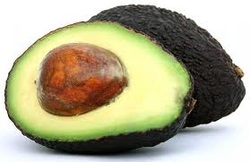 Like most people, I enjoy great guacamole - especially homemade. One of the best ways to ruin a fantastic guacamole experience is to cut your hand while preparing it!
A little known fact about avocados is that they are one of the most dangerous kitchen fruits. I have seen many patients who have severed their tendons, nerves, and arteries while preparing this seemingly harmless fruit. They’re soft on the outside and have a hard smooth pit inside, which makes them tricky to slice. Injuries occur when people hold the avocado in the palm of their hand while slicing into it with a knife and removing the pit with the sharp end of a knife. The knife can slip and pierce the palm or a finger. These wounds may appear small, but often are deep and require surgery. Here’s a simple safe method to prepare your avocado…. Place the avocado on a hard flat surface, such as a cutting board (not your hand). Use a sharp knife to cut the avocado lengthwise around the pit and then gently twist the two halves in opposite directions to separate them. Insert a spoon between the pit and the fruit and use the spoon to remove the pit. Finally, use the spoon to remove the fruit from the skin. Using this technique, you can serve your avocado dish without a piece of finger in it. I have seen similar injuries in patients who were slicing bagels and separating frozen hot dogs or hamburgers with a knife. Cooking can be dangerous. Please be careful. If you happen to have a cooking misadventure, you can find me in my office… I’ll be waiting for you.  There are 206 bones in the human body and not a single one of them is the funny bone!
There is nothing funny about the funny bone except its name, which is actually a misnomer. The funny bone is not a bone – it's the ulnar nerve! We all have experienced that strange feeling after bumping the back of our elbows. You know what I'm talking about... that sharp, tingling, electric shock sensation, which shoots from the elbow into the ring and small fingers. The sensation is confusing because it makes you want to laugh and cry at the same time as you frantically rub your elbow and shake your hand to make it stop. The ulnar nerve travels from the neck to the ring and small fingers where it controls wrist and hand movements in addition to providing sensation to the ring and small fingers. Along it's course, the ulnar nerve passes behind the elbow where it is not very well protected. In this location, it rests on the humerus bone (arm bone) and is only covered by a thin layer of skin and fatty tissue, leaving the nerve exposed to external stimuli. When you bump this region of the elbow, you directly hit your ulnar nerve, creating the “funny bone” sensation. You can recreate the same sensation by tapping on the ulnar nerve with your fingers. However, if you apply continuous pressure on the ulnar nerve, such as when leaning your elbow on a hard surface, you can cause ulnar nerve compression with finger tingling and numbness. This is exactly what people with cubital tunnel syndrome experience. There are several theories about how the funny bone got it's name. Some people believe it was named after the funny sensation that is experienced when bumping the elbow. Others attribute it to the fact that when bumped, the ulnar nerve becomes compressed by the humerus bone, which is pronounced "humorous." I'll leave it up to you to decide if you feel the funny bone is really all it's cracked up to be. |
4/1/2021
0 Comments